
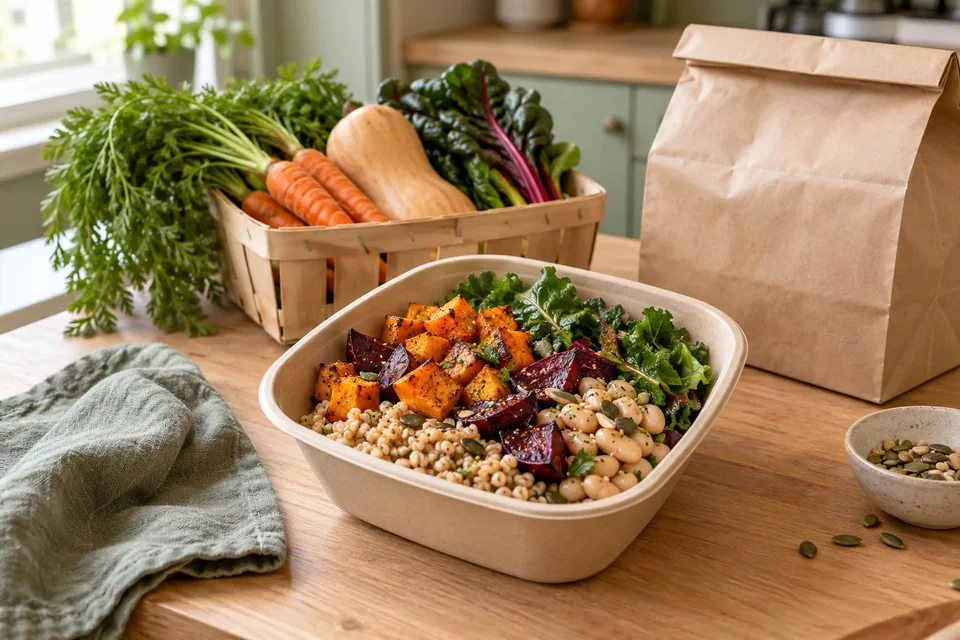
Organic meal delivery: the idea behind it
Organic meal delivery means that prepared dishes, or the ingredients for cooking them, are made largely from certified organic farm produce and brought to your home. It sits somewhere between a veg box, a restaurant takeaway and a ready meal. Customers choose it for reasons that range from avoiding synthetic pesticides to supporting a farming model they believe is gentler on soil and wildlife, or simply because it suits a family’s idea of good food.
The word "organic" has a legal meaning. It describes how crops are grown and animals are reared, under rules enforced through inspection and certification. It does not describe taste, health or freshness, and it says nothing about whether a dish is low in salt or sugar. A lasagne can be organic and still be heavy and rich.
The service takes two main forms: boxes with ingredients and a recipe, and fully cooked dishes that only need warming. Both can be organic, and both deserve scrutiny of what exactly is organic about them.
Reading organic labels: UK, EU and US marks
Organic claims are regulated, and the logo on the packaging tells you who certified the product. In the European Union, packaged organic food carries the green leaf logo, and in Great Britain a body such as the Soil Association certifies products under a recognised organic standard. In the United States, the USDA Organic seal indicates compliance with federal rules, and Canada has its own Canada Organic logo.
Phrases on the packet matter. "Organic" means that the product, or at least 95 per cent of its agricultural ingredients, comes from organic farming under EU-style rules; a phrase such as "made with organic ingredients" or a list showing only a few organic items is not the same thing. A restaurant menu or a delivery app can use the word more loosely than a supermarket label, because the rules for catering vary by country.
When a meal is cooked and sold by a small kitchen, ask which ingredients are organic and whether the business is certified. Specific answers, with supplier names or certificate numbers, are better than general reassurance.
What the organic label does not guarantee in a meal
An organic label is useful, but it does not promise everything customers sometimes assume. It does not mean the meal is local, since organic carrots can travel hundreds of miles. It does not mean the dish is healthy, low in calories, allergen-free or suitable for any particular diet. Organic sweets, pastries and sauces still contain sugar, fat and salt.
It also does not guarantee that every ingredient is organic. Spices, salt, water and some additives are outside the percentage calculation, and a meal can include a few non-organic items where an organic version is unavailable and the rules permit it. Meat dishes depend on the animal welfare and feeding standards of the organic scheme, which are stricter than conventional farming but are not the same as free-range or grass-fed claims.
Studies on nutritional differences between organic and conventional food show modest or inconsistent results, and the main distinction is the farming method and the lower pesticide residues. For people with health conditions, advice should come from a doctor or dietitian, not from the label.
Seasonality and short supply chains in organic food delivery
Organic produce is often linked with seasonal eating, and the best organic meal delivery services build menus around what is in the fields. Spring brings asparagus and peas, summer tomatoes and courgettes, autumn squash and mushrooms, winter roots and cabbages. A menu that offers fresh tomato salad in January is probably using imported or heated-greenhouse produce, which is allowed under organic rules but reduces the environmental benefit.
Short supply chains, in which the kitchen buys directly from nearby farms, shorten the time between harvest and plate. Some services publish farm names, regions or delivery maps, and some work with cooperatives. This transparency helps customers decide whether the "local organic" claim is real.
Seasonal menus also change often, which keeps the diet varied but means a favourite dish may disappear. A subscription that lets you swap meals or skip a week eases that.
Recipe boxes, ready meals and veg boxes: picking a format
An organic recipe box suits people who enjoy cooking but dislike shopping. It contains measured ingredients and a recipe card, produces little waste and teaches new dishes, yet needs thirty to forty-five minutes of work. Organic ready meals suit tired evenings, older relatives and people with little kitchen access; they take minutes but offer less control over salt and ingredients.
A third option is an organic veg box, which brings fresh produce without recipes. It gives the most flexibility and the least preparation help.
- Choose a recipe box if you want to cook and learn.
- Choose organic ready meals if time or energy is short.
- Choose a veg box if you already cook confidently and want ingredients.
- Mix formats across the week when needs differ.
Compare the number of portions per box, packaging type, the amount of waste generated and the policy on pausing or cancelling. Prices vary by region and provider, so request the full cost with delivery before deciding.
Cold chain and packaging for organic meals delivered to the door
Organic ready meals are perishable and often contains fewer preservatives than conventional equivalents, so the cold chain matters. Boxes should travel with insulation and ice packs or chilled transport, and should arrive cold to the touch. Meat, fish and dairy items should be at or below 5 degrees Celsius on arrival, and frozen items should still be hard.
Unpack immediately. Put chilled items in the fridge, freeze what you will not use before the date on the label and keep raw meat on the bottom shelf away from ready-to-eat food. Wash fresh produce before use. If a box has been left on a doorstep for hours in warm weather, discard anything perishable that has warmed, then contact the supplier.
Packaging varies. Some companies use recyclable cardboard, wool liners or returnable crates, while others rely on plastic. Customers who choose organic for environmental reasons often care about this, so ask what happens to packaging after delivery.
Questions to ask before ordering organic meals
Before committing, put a few questions to the supplier:
- Which ingredients in each dish are certified organic, and who certifies the business?
- Where do the main ingredients come from, and does the menu follow the seasons?
- Are allergens and nutritional values listed for every meal?
- How long does the food stay good after delivery, and how is it kept cold in transit?
- Can I pause, skip or cancel without penalty?
- What happens if an item is missing or damaged?
Clear answers suggest a business that takes the label seriously. Vague replies, or an unwillingness to share certification details, are a sign to look elsewhere. Reading a handful of recent customer reviews, with attention to freshness and accuracy of orders, rounds out the picture.
Frequently asked questions
Is organic food delivered to the home safer than ordinary food?
Organic production limits the use of synthetic pesticides, but food safety depends on hygiene, temperature control and handling, which apply equally to organic and non-organic food. Follow the storage instructions and use-by dates.
How can I tell whether a delivery company is genuinely certified?
Look for the certifier’s logo and licence number on the packaging or website, and check with the certification body, which often keeps a public register of licensed operators. In the UK, the Soil Association and similar bodies provide this kind of information.
Are organic ready meals suitable for special diets?
Some are, but organic status is separate from dietary suitability. Check each meal for gluten, dairy, nuts, soy and other allergens, and for salt and sugar content if you manage a medical condition.
Does organic meal delivery cost more than ordinary food delivery?
Usually yes, because organic farming has higher production costs and smaller volumes. The gap varies between suppliers and products, so compare the per-portion price including delivery rather than the headline figure.