
What meal delivery in Dakar covers
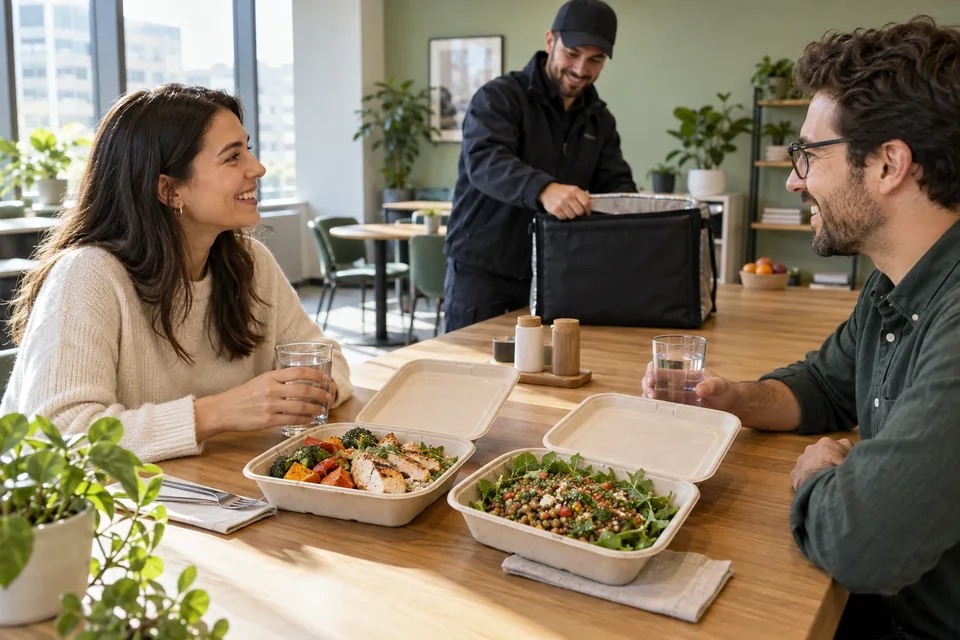
Meal delivery in Dakar means every way of receiving a cooked dish at home or at the office, prepared by a restaurant, a roadside eatery (a dibiterie or a tangana), an independent home cook or a caterer, without leaving the house. It runs through apps, a simple phone call or a message on a chat service, and the dish usually arrives by motorbike or scooter.
In the Senegalese capital the line between professional and informal is thin. Beside established restaurants, many women cook thieboudienne, yassa or mafé every day for office workers and neighbours, and hand the delivery to a rider from the district. That flexibility is the strength of food delivery in Dakar, and of takeaway meals in Dakar generally, but it asks for a little method when choosing.
The notes below describe what happens on the ground: districts, dishes, payment, seasons and precautions. They are general information and replace neither a doctor’s advice nor the terms of whichever provider you pick.
Districts, traffic and finding your address
Dakar is a narrow peninsula, which funnels traffic onto a few major roads: the VDN, the toll motorway, the Route de Ngor and the corniche. The Plateau, the business and administrative centre, is packed at lunchtime. Médina, Fann, Point E and Mermoz are dense and residential, while the Almadies, Ngor, Ouakam and Yoff gather restaurants, hotels and long-stay flats.
To the north-east, Liberté, Sicap, Parcelles Assainies, Pikine and Guédiawaye are large residential zones where platform coverage is often thinner than downtown. Many streets have no number, so the rider navigates by landmarks: a pharmacy, a petrol station, a mosque, a roundabout.
The right habit is to give a precise landmark, a phone number that works and to stay available once the dish is on its way. At peak hours, between noon and two o’clock, and in Friday-evening jams, waits grow. Ordering a little earlier keeps home-delivered meals in Dakar hot.
Senegalese dishes that survive the ride
Not every dish copes with a delivery box. Slow-cooked classics behave very well: mafé (peanut sauce), yassa with chicken or fish (lemony onions), soupou kandia (an okra and palm-oil sauce) and domoda hold their heat and even improve after a few minutes of rest.
Thieboudienne, the national dish of fish and rice with vegetables, travels correctly if packed in compartments: rice on one side, fish and vegetables on the other. Fritters and fried snacks (fataya, pastels, accara) lose crispness in around twenty minutes, so order them close by.
Among drinks and desserts, bissap (hibiscus infusion), bouye juice (from baobab fruit), ginger juice and thiakry (a millet and curdled-milk dessert) travel well if tightly closed and kept cool. For big dishes shared from one bowl, ask for wide containers and individual cutlery.
Apps and providers for food delivery in Dakar
The platform market moves fast in Dakar: some apps launch, others stop, and covered zones change. International players such as Glovo and regional services such as Yango Food have been reported there, and small local solutions run on independent riders. The safest approach is to check inside the app whether your district is served before planning the meal.
Many restaurants, caterers and home cooks handle their own delivery, and a call or a message is enough. That is often the better choice for a family lunch, a regular office meal or a made-to-measure menu, since you talk directly to the person cooking.
Whichever route you take for meal delivery in Dakar, ask the same questions:
- Is the dish prepared on the day?
- What is the realistic waiting time?
- Is the delivery fee announced before payment?
- What happens if the order is wrong?
A clear answer is a good sign.
Paying for takeaway meals in Dakar: mobile money, cash and tips
In Senegal, mobile payment is part of daily life. Wave and Orange Money are widely used and accepted by many restaurants and riders; apps usually also offer bank cards or cash on delivery. Keep small change in CFA francs so the rider is never short.
A tip is not compulsory but is appreciated, especially in the rain or for a trip to a distant district. Always check the amount before confirming, as fees vary with distance and time. If you pay in advance by mobile money, keep the confirmation message in case of a dispute, and never share your secret code, whatever the circumstances.
Heat, rainy season and food safety
Dakar’s heat, strongest from May to October, is the number-one enemy of delivered food. A dish with fish, meat or a milk-based sauce should not wait for hours at room temperature. Eat it within the hour and refrigerate the rest quickly.
From roughly July to October the rains sometimes flood low-lying districts; waits lengthen and some riders suspend work. Allow a margin for meal delivery in Dakar, or keep a backup meal within reach. During the harmattan, the dry, dusty wind from November to February, closed containers protect food better.
On allergies, peanut, fish, shellfish and sesame are very present in local cooking. If you are affected, tell the cook before ordering; cross-contamination is common in small kitchens.
Older people, Ramadan and big celebrations
There is currently no generalised meals on wheels system for older people comparable to those in Europe: family and neighbours remain the first safety net. Some neighbourhood cooks, certain associations and a few caterers will nevertheless deliver a daily or weekly meal to someone who can no longer cook, under an informal agreement with regular timing to be fixed.
For an older person, ask for tender textures (soft meat, boneless fish), light salting and packaging that is easy to open. Only a doctor or dietitian can prescribe a particular diet.
During Ramadan, the ndogou, the meal that breaks the fast, generates many orders: dates, Touba coffee, millet porridge and hot dishes. For Tabaski, Korité or a christening, a local caterer in Dakar prepares large quantities, so book several days ahead.
Ordering for a group: office lunches and family meals
A shared lunch changes the arithmetic. For meal delivery in Dakar aimed at a team, count heads generously, because a dish eaten from a common bowl is hard to portion exactly. Ask whether the cook can provide one large container per table plus individual spoons, and whether the rice and the sauce can travel separately so the rice does not turn soggy.
A regular office order works best as a standing arrangement: agree the days, the delivery window and a fixed contact on both sides. Some cooks will rotate the menu through the week, with thieboudienne on one day, yassa on another and mafé on a third, which keeps colleagues from tiring of the same plate.
For a family occasion, speak to the cook early, mention any allergy in the group and confirm the delivery time the evening before. A short call on the morning itself costs nothing and removes most surprises.
Frequently asked questions
Can I have thieboudienne delivered in Dakar?
Yes, it is one of the most requested dishes, and many restaurants and cooks prepare it at midday. Ask for separate compartments for rice, fish and vegetables, and order before the one o’clock rush.
Which payment methods are common for delivered meals?
Mobile money (Wave, Orange Money), cash on delivery and, depending on the platform, bank cards. Keep the payment confirmation and some small change.
Does delivery work across the whole urban area?
Not equally everywhere. The centre, the Almadies and residential districts are better served than the suburbs. Check the zone before ordering and give a precise landmark.
What should I do if the meal arrives cold or incomplete?
Tell the restaurant or platform at once, with a photo, before eating. With a direct order, call the cook: a quick conversation settles most cases.