
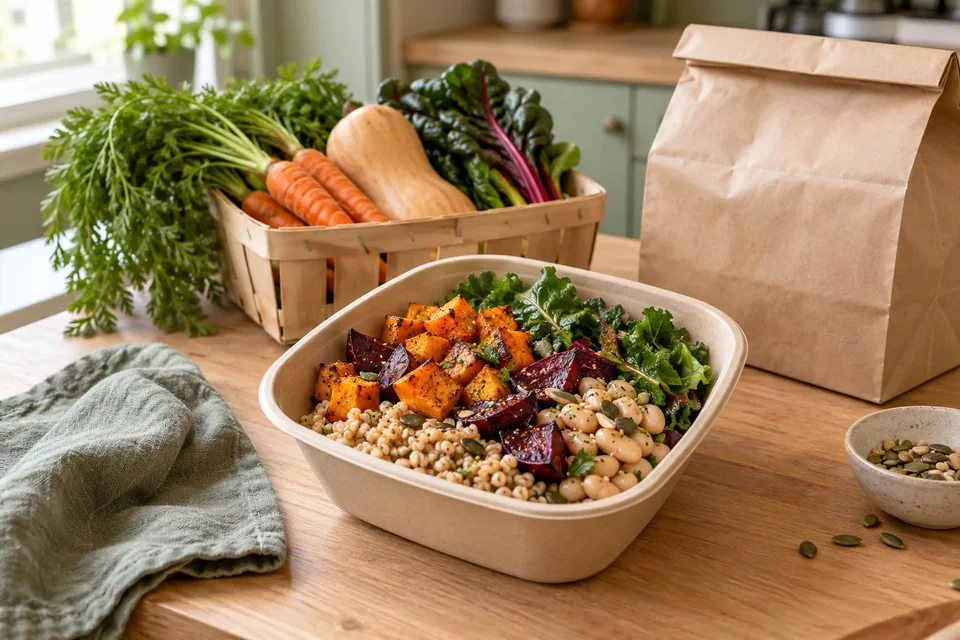
Defining meals on wheels in Réunion
Meals on wheels in Réunion is a service that brings prepared meals to the home of someone who is elderly, ill, losing independence or simply isolated, on a regular basis and under controlled hygiene conditions. It differs from a one-off restaurant order: it runs over time, with rounds, an organised menu and some follow-up of the person.
Réunion is a French overseas department in the Indian Ocean, more than nine thousand kilometres from mainland France. National social-aid rules apply, but geography changes everything: a crowded coastline, steep highlands, isolated mountain cirques and a road network that can clog. That is why meal delivery cannot be imagined the same way in Saint-Denis as in Cilaos.
Coast, highlands and cirques: one island, very different realities
Anyone looking into meals on wheels in Réunion quickly learns that the service is shaped by terrain first and by demand second. A kitchen on the coast can fill a van in minutes, but turning that van into a round that climbs to a village at one thousand metres is a different business.
Saint-Denis, the prefecture in the north, and Saint-Pierre in the south are the two big urban poles. Around them Saint-Paul, Saint-Louis, Le Tampon, Saint-André, Saint-Benoît and Le Port form a chain of towns running from the shore up to the highlands. The cirques of Cilaos and Salazie are reached by winding mountain roads, while Mafate has no road at all and can be reached only on foot or by air.
For regular meal delivery, distance and relief decide everything. A coastal provider easily serves the flat districts, but the highlands and outlying hamlets need more time, adapted rounds and sometimes zone limits. Always give your commune, your district and even the name of your ravine or track, since rural addresses are often hard for navigation software to find.
A concrete example: delivered lunches in Le Tampon
For example, La Fleur Gourmande, a restaurant in Le Tampon, offers prepared lunches delivered to homes or offices in several parts of the town, among them the districts known as the 12th, 14th and 17th kilometre, Bras-Creux, Bras-Ponton and Trois-Mares. Orders are taken by phone, through an online shop or on the spot; salads and stir-fries must be ordered before ten, hot dishes before half past ten, from Tuesday to Saturday.
Tomorrow’s menu is updated the previous late afternoon, which encourages pre-ordering. Accepted payments include card, cash and digital meal vouchers. This is not meals on wheels for dependent people, yet it shows how neighbourhood food delivery works on the island: defined zones, cut-off times, closing days and a changing menu.
A restaurant’s terms evolve, so phone to learn the sectors, hours and conditions that apply on the day you order.
Cari, rougail and achards: Creole cooking at your door
Réunionese food is a blend of African, Malagasy, Indian, Chinese and European contributions. The base dish is the cari (chicken, fish, pork or sausage) simmered with onion, tomato, thyme, ginger and local saffron, which is turmeric, served with white rice, grains (red beans or lentils) and a rougail, a condiment of crushed tomatoes. Achards, pickled vegetables, accompany almost every meal.
Slow-cooked dishes like these suit regular delivery, because they reheat easily and gain flavour. Fish cari calls for care, as does any seafood in hot weather. Samosas and chilli bites go soft in a box, while steamed dumplings called bouchons travel well.
It is worth asking the cook how long a dish keeps. A cari made the day before often tastes better, while rice should be reheated with a splash of water to stop it drying out. Chilli is usually served separately in island kitchens, which makes it easy to tone down a meal for an older eater without spoiling it.
A meal for older people sometimes needs adapting: less spice, less salt, a more tender texture. Ask the cook what can be adjusted.
Rainy season and cyclones: protecting meals at home
The southern-hemisphere summer, from November to April, is hot, humid and prone to cyclones. When a cyclone alert is raised, movement is restricted and deliveries may be suspended. Keep emergency non-perishable food and water, particularly if you live alone. After heavy rain, roads can be cut in the highlands and cirques.
For delivered lunches, heat also demands quick habits: a dish of rice, meat or fish should be eaten promptly or refrigerated. The southern winter, from May to October, is cooler, especially at altitude, and brings orders for hot dishes and broths.
Who can help with funding meals on wheels in Réunion
Several bodies can advise an older person or their family. The commune’s social action centre (CCAS) knows local providers and existing aid. The Département, which manages the personalised autonomy allowance, can help fund home-help services for eligible people, and a meal may then form part of a care plan. Pension funds and mutual insurers sometimes have their own schemes.
It helps to prepare a short file before calling: age, address, mobility, any diet prescribed by a doctor, and who lives nearby. Counters can then assess the need faster, and a request for meals on wheels is less likely to bounce between offices. Ask for the answer in writing, and note the name of the person you spoke to.
Home-help and support organisations, such as Bien Vivre Services Réunion and others, cover many needs; ask whether they provide meal delivery or meal preparation. Conditions, amounts and waiting times depend on your situation and commune, so always put the question to the relevant counter.
Choosing a delivery service and avoiding disappointment
Before you commit to a meal service, ask how the food is prepared, in which kitchen, under what hygiene checks and at what temperature it is carried. Compare menus: seasonal dishes, local vegetables and the option of salt-free, no-added-sugar or blended meals are real advantages.
- Ask which days and times the driver calls, and what happens on public holidays.
- Confirm that your district or hamlet is served.
- State allergies, intolerances and religious preferences such as halal.
- Find out who is warned in case of absence or delay.
Test the service for a short period first, then extend it if the meals arrive on time and are eaten. Avoid paying long periods in advance and keep a written record of the order.
Festive seasons are worth planning for. Weekly markets such as the one in Saint-Paul on Friday and Saturday sell tropical fruit, vegetables, spices and cooked dishes, and island products like Bourbon vanilla, lychee, Victoria pineapple, Cilaos lentils and rose geranium feed local kitchens. Christmas Eve meals and cakes are ordered in advance from caterers. A meal sent to an elderly parent far from the family is a simple, much-appreciated gesture, if the time has been agreed with them.
Frequently asked questions
What are meals on wheels in Réunion?
Regular delivery of prepared meals to the home of an older, ill or isolated person, with rounds and an organised menu. It differs from a single order placed with a restaurant.
Who should I contact for help with home meals?
Your commune’s social action centre and the Département are the first contacts. They explain the possible aid, including the autonomy allowance, and point to local providers.
Are meals delivered in the highlands and cirques?
It depends on the provider. These areas need longer journeys and adapted rounds, so ask whether your district is covered before committing.
What happens to delivery during a cyclone alert?
It may be suspended. Keep emergency food and water, and tell the provider about any special needs before the hot season.