
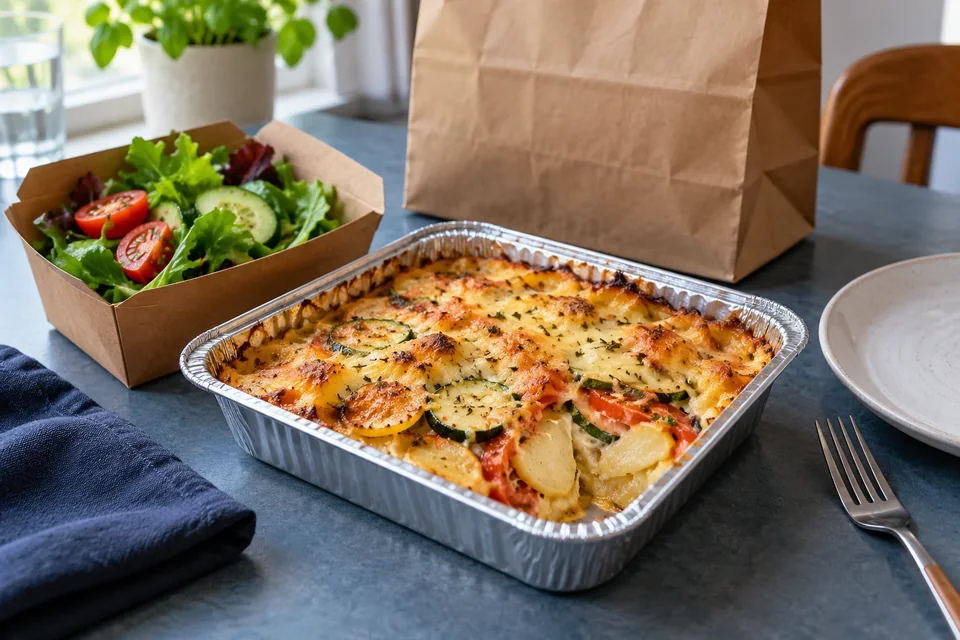
Meals on wheels Marseille: what it means and who it helps
Meals on wheels Marseille describes the service in which an organisation, a charity, a caterer or an establishment prepares meals and brings them regularly to someone who can no longer, or no longer wishes to, shop and cook. It is aimed first at older people, but also at disabled, convalescent or isolated residents.
This has little to do with ordering from a restaurant. It involves a rhythm, a contract or a registration, menus designed with balance in mind and a person at the door who is sometimes the only face seen all day. That is why choosing a provider takes more questions than a tap on an app.
In France’s second city the offers are many but unevenly spread. The centre, the southern districts and the area around La Canebière are better served than some northern neighbourhoods or outlying parts of the commune, where the round gets longer. Always find out the exact perimeter before registering.
Sixteen arrondissements and a lot of hills: meal delivery from the driver’s seat
Marseille has sixteen arrondissements grouped into eight sectors, and a landscape that complicates any delivery. Between the Old Port, Le Panier, Noailles, La Plaine, Castellane or Endoume, the relief alternates slopes, steps and one-way streets. Cycling is easy on the flat but demanding on the hills, so many couriers use scooters or cars.
- Old Port and Le Panier: narrow streets, steps and pedestrian zones; the last few metres are often on foot.
- Prado, Castellane, the Corniche: newer buildings, heavy traffic at peak times, scarce parking.
- L’Estaque, Mazargues, Les Goudes: villages and estates far from the centre, with longer waits.
- Joliette and Euroméditerranée: business district with offices and modern flats, where meal delivery is simple.
Public transport (metro, tram, buses and the ferry boat on the Old Port) does not reach every corner. Give a detailed address with the building, floor, exact name on the letterbox and a phone number, and mention private roads.
Food delivery, Marseille style: dishes that travel well
Provençal cooking suits takeaway and meal delivery as long as the right recipes are picked. Daube provençale, pieds-paquets, soupe au pistou and ratatouille benefit from gentle reheating, and their flavour often improves the next day. Aïoli, with its vegetables and fish, is better assembled at the last minute, with the sauce kept apart.
Bouillabaisse is the emblem of the city. A Marseille charter dating from 1980 fixes the recipe: it excludes spiny lobster and requires at least four species of Mediterranean fish. The restaurant Chez Fonfon, at the Vallon des Auffes in the 7th arrondissement, has served it since 1952 and runs an online shop where bouillabaisse, rouille, aïoli, croutons and fish soup can be added to a basket. How the order is collected or sent is settled directly with the house.
For treats, panisses (chickpea fritters), navettes scented with orange blossom and calissons travel without trouble in a rigid box. When there is a sauce or a broth, ask for it to be packed separately.
Help for older residents: the city social centre, charities and firms
Setting up meals on wheels Marseille residents can rely on offers several doors, as elsewhere. The City’s social action centre, the CCAS, is the first contact for an older person: it points to municipal schemes and to home-help services. The Bouches-du-Rhône departmental council deals with the personalised autonomy allowance, which can fund part of the help.
Charities and personal-services firms also offer home-delivered meals or help with cooking. Some providers work with a local caterer, others with a central kitchen, and the difference shows in menu variety and flexibility.
When the person leaves hospital, the procedure may be speeded up: ask the hospital social worker to contact the service before the return home. The most useful step is to compare three offers, read the cancellation terms and check that the provider is registered for personal services.
Markets, fresh fish and Provençal produce
The Capucins market in Noailles is the city’s most popular: fruit, vegetables, spices, olives and North African products sit side by side. On the quai des Belges at the Old Port, fishermen sell their catch straight from the boats in the morning. District markets from Castellane to La Plaine complete the circuit.
For someone who can still choose produce but can no longer carry it, a simple formula is to buy at the market and then have the shopping, or meals prepared by a caterer, delivered. Some traders and grocers in the centre take telephone orders and make local deliveries on foot or by bike.
Provence supplies seasonal produce that is easy to cook: tomatoes, courgettes and aubergines in summer, fennel and chard in autumn, citrus in winter and olive oil all year. A meal round built on these ingredients keeps the menu varied without too much fat, provided the menus stay balanced.
Mistral wind and summer heat: keeping and reheating delivered meals
Heat is the first enemy of home-delivered meals and of any meal round in the height of summer. In July and August a dish left on a balcony or in a car quickly passes the temperature allowed for storage. Ask for a hand-to-hand handover and an insulated cool bag; for a frail person, deliver the evening meal together with lunch only if the fridge works well.
The mistral complicates delivery by scooter and bike: gusts, tarpaulins and trays blown away, delays. On windy days choose an order with a wider time slot.
The tourist season, from May to September, fills the Old Port, the Corniche and the Calanques. Restaurants overflow, drivers struggle to park and lunchtime waits grow. In winter the roads are freer, but meals reheat more slowly in a poorly heated kitchen.
- Chill the cold trays as soon as possible.
- Do not keep leftovers more than a few days.
- Heat right through and avoid repeated trips back to the oven.
Common mistakes and questions to ask before subscribing
The same errors come up with meals on wheels Marseille subscriptions as with ordinary food delivery. People sign up for too many meals, forget to warn the provider of an absence, give an address too vague for neighbourhoods with steps, or never check whether special diets are accepted. Take time to ask precise questions:
- Is my neighbourhood served on every planned delivery day?
- What happens if I am away or in hospital?
- Are meals suited to a low-salt, low-sugar or soft-texture diet?
- Which financial aids does the provider accept, and which documents does it supply?
- How do I report a missing or lukewarm meal?
A good provider answers plainly, often offers a trial meal or a discovery period, and stays reachable during delivery hours.
Frequently asked questions
Who can ask for meals on wheels in Marseille?
Mainly older people, but also disabled, convalescent or isolated residents who struggle to shop and cook. A relative can usually start the request, and the city social action centre can point to the right service.
Can bouillabaisse be delivered to my home?
Chez Fonfon runs an online shop with bouillabaisse, rouille, aïoli, croutons and fish soup. Whether the order is collected or sent is agreed directly with the restaurant.
How should I keep a delivered dish during a heatwave?
Take it indoors at once, refrigerate chilled trays, ask for a hand-to-hand handover and an insulated bag, and never leave it on a balcony or in a car.
Is delivery possible in the northern districts and the calanques?
Coverage is uneven. The centre and southern districts are served more easily, while outlying areas have longer rounds, so confirm your exact address with each provider.