
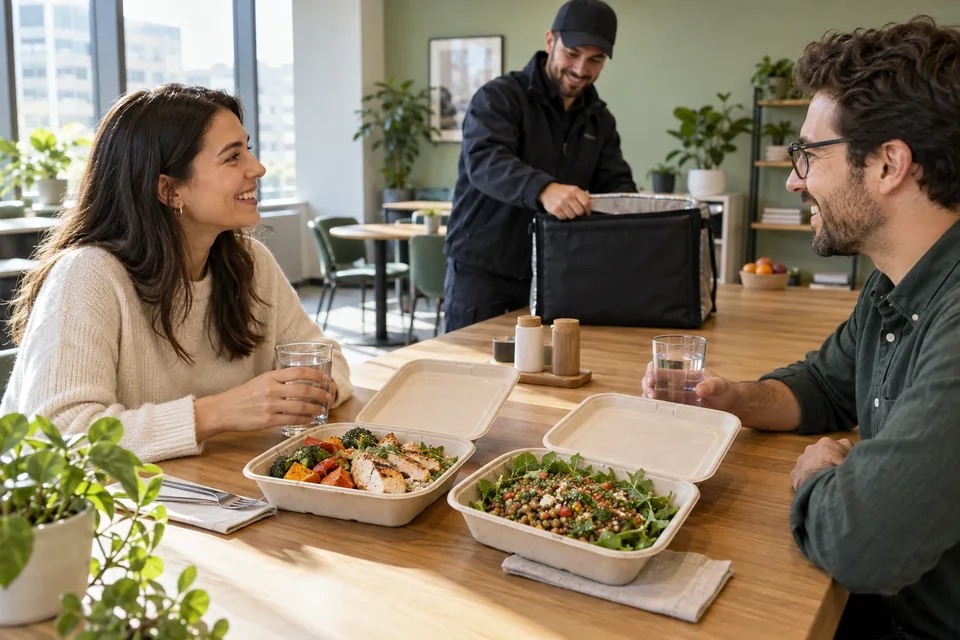
Mexican food delivery: more than tacos in a bag
Mexican food delivery means dishes from Mexico, cooked by a restaurant, caterer or home cook and brought to you in closed containers. Menus run from tacos, burritos, quesadillas and enchiladas to slow-cooked plates such as cochinita pibil, pozole and mole that fewer people know. UNESCO added traditional Mexican cuisine to its intangible heritage list in 2010, citing the role of maize, beans and chilli.
That plant-based foundation is one reason so much of the menu suits Mexican food delivery: it handles gentle heat and warms up without losing character.
Two families are worth separating. Regional Mexican cooking has long sauces and marinades. Tex-Mex, which grew up in the southern United States, popularised the wheat-flour burrito, nachos under melted cheese and chilli con carne. Both can be ordered for delivery, but the recipes and the heat level differ.
In Britain and Canada, most Mexican takeaway orders come from chains and independent taquerias that sell burritos, bowls and tacos, while fewer kitchens cook the regional stews. That is why it helps to read the menu for dish names and not only for the word Mexican.
Tacos delivered, burritos and quesadillas: the top formats
A taco is a folded corn tortilla with a filling. The best known is al pastor: thin slices of marinated pork cooked on a vertical spit, a technique inspired by Lebanese immigrants to Mexico, served with pineapple, onion and coriander. Carnitas uses pork cooked slowly in its own fat.
A burrito rolls rice, beans, meat and cheese into a large flour tortilla. Because the moisture stays inside, burrito delivery holds up better than tacos do. A quesadilla, a tortilla folded over melted cheese, also copes well, provided it is packed so steam cannot collect.
Burrito delivery is also the cheapest way to try a new restaurant, since a single wrapped portion is a full meal and needs almost no work at home beyond opening the foil.
For sharing, typical formats include:
- build-your-own taco kits, with fillings and sauces in separate tubs;
- single burritos cut in half and wrapped in food paper;
- bowls of rice, beans and meat, a burrito without the wrap;
- dipping starters of guacamole, salsa and corn chips.
Slow-cooked Mexican dishes: cochinita pibil, mole and pozole
Beyond street food, the cuisine has festive plates that improve when made ahead. Cochinita pibil comes from the Yucatan: pork marinated in achiote and sour orange juice, traditionally wrapped in banana leaves. It is served with pickled red onions and tortillas.
Mole poblano, from Puebla, blends dried chillies, spices, dried fruit and a little dark chocolate. It takes hours, which makes it a caterer’s dish rather than fast food. It often contains nuts and sesame, which matters for allergies.
Pozole is a big bowl of hominy broth with pork or chicken, finished at the table with cabbage, radish and oregano. For delivery, the broth should come apart from the crunchy garnishes so each keeps its texture.
A Mexican takeaway that handles pozole properly will also send a small bag of toasted tostadas, which you break over the bowl at the last second.
Which Mexican dishes survive the ride, and which do not
For Mexican food delivery, twenty or thirty minutes in a bag affects dishes differently. Saucy preparations, braised meats, beans and rice cope with it very well; anything fried or crisp is more fragile.
Good travellers:
- cochinita pibil, carnitas, mole and pozole, which reheat without harm;
- well-wrapped burritos and quesadillas;
- refried beans, red rice and cooked sauces.
Weaker travellers:
- assembled tacos, whose tortillas turn damp and tear;
- tortilla chips and nachos, softened by steam;
- guacamole, which browns on contact with air even with lime juice;
- fried items such as chimichangas and taquitos, crisp only straight from the fryer.
A careful kitchen keeps wet and dry components apart and supplies toppings in separate tubs. For any Mexican takeaway, that is the best sign of seriousness.
Mexican dishes with a cold element, such as pico de gallo, should be in a cold bag if the restaurant has one. If the order arrives with every item thrown into one bag, expect to spend ten minutes repairing it.
Reheating and finishing Mexican dishes at home
Warm corn tortillas one at a time in a dry pan, about half a minute a side, and keep them wrapped in a clean tea towel so they stay supple. In the oven, foil or a damp cloth stops them drying out. The microwave makes them rubbery if you push it.
Stews and sauces return to temperature gently with a splash of stock or water until they are piping hot in the centre. Do not skip that step with rice and beans.
Finish at the last minute: fresh coriander, chopped onion, lime wedges, radishes and crumbled fresh cheese bring back the freshness the trip may have dulled. When feeding a crowd, put the toppings in the middle of the table and let each guest build tacos.
Allergens, chilli and food safety for Mexican dishes
The allergens most often met are gluten (flour tortillas, empanada-style pastry), milk (cheese, cream), tree nuts and sesame (mole, some sauces), plus fish and shellfish in ceviche and seafood tostadas. In the UK and the EU, a business must be able to tell you about the fourteen listed allergens in each dish.
Chilli deserves its own question. Jalapeno is moderate, chipotle (smoked jalapeno) adds smokiness and habanero is very hot. Ask for the hot sauce on the side, the simplest fix when guests tolerate heat differently.
As for hygiene, cooked rice and beans keep badly at room temperature, so refrigerate leftovers within the hour. Older people, pregnant women and small children should avoid raw preparations such as ceviche or guacamole made the day before.
Picking a Mexican takeaway and planning the order
Quality shows in small details. The menu separates real Mexican cooking from Tex-Mex, says whether tortillas are corn or wheat and made on site, names the region of the slow-cooked dishes and describes the heat of each sauce.
Questions to ask before ordering:
- are the tortillas made in-house, and from which flour?
- is the guacamole made the same day?
- do the toppings arrive separately?
- can you get an allergen list in writing?
- is the dish vegetarian, given that lard is common in refried beans?
Typical mistakes are ordering too much fried food, letting assembled tacos wait and microwaving tortillas. For a party, plan two or three tacos per head plus a sharing dish. Mexican dishes suit match nights, birthdays and Sunday lunches, and agua fresca, horchata or a light lager with lime go well alongside. Tres leches cake or cinnamon churros finish things off, and churros warm up nicely in the oven.
Frequently asked questions
Which Mexican dishes travel best?
Slow-cooked dishes such as cochinita pibil, carnitas, mole and pozole, plus rice, beans and well-wrapped burritos. Assembled tacos, chips and fried items suffer more.
How should I reheat delivered tortillas?
Pass them one by one through a dry pan for a few seconds on each side, then wrap them in a tea towel. Avoid the microwave.
Is Mexican food suitable for a gluten-free diet?
Often, since corn tortillas are naturally gluten free, but cross-contact is common. Ask whether tortillas, sauces and frying oil are kept separate.
Can guacamole be delivered without browning?
Not completely. A good one is packed tightly with film pressed on the surface, and it is best eaten the same day.