
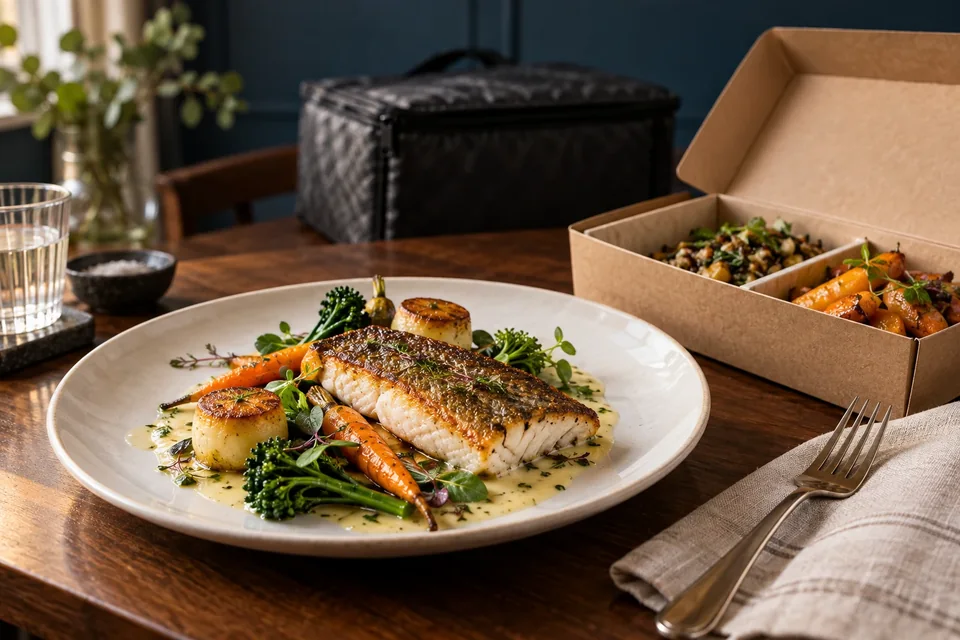
What meal delivery in Santiago means in practice
Meal delivery in Santiago means ordering a cooked dish by app, by phone or from a local caterer and having it brought to your door in the Chilean capital. Locals simply say “delivery” or “comida a domicilio”, and the courier is usually called a “repartidor”. For an English speaker who has moved to the city, or who is staying in a hotel, a handful of reference points is enough to order without unpleasant surprises.
Santiago is a vast urban area spread out at the foot of the Andes and divided into communes, each with its own character. Delivery zones follow that map. A restaurant in Providencia rarely sends food far beyond its own sector, so it is wise to order from the commune where you are staying. That keeps the dish hot and the delivery charge reasonable.
Spanish is the language of every menu, and food delivery apps follow suit. Most apps also work in Spanish, with a limited English interface at best. Being able to read “sin cebolla” (no onion), “sin picante” (not spicy) or “para llevar” (to take away) heads off many misunderstandings.
Home-delivered meals district by district: which communes deliver what
The historic centre around the Plaza de Armas and the Bellavista quarter is full of offices and no-frills restaurants, so people order mostly at lunchtime. In Providencia, Las Condes and Vitacura, which are wealthier and packed with apartment towers, the apps list a very wide choice, from Japanese and Peruvian to Italian and traditional Chilean cooking.
Ñuñoa is a residential and student area with cafés and bars, where home-delivered meals serve young professionals and families alike. Further out, in Maipú, Puente Alto or La Florida, distances grow, takeaway outlets dominate and couriers depend on a motorbike or car.
A few address habits make a real difference:
- Give the commune, street name, number and the “depto” (flat number).
- Mention a “conserje” (concierge) if one takes deliveries at the entrance.
- Keep your phone nearby, because couriers often ring rather than come up.
Santiago’s extensive metro is not used by couriers, who travel by motorbike, bicycle or on foot depending on distance. Evenings and weekends are the busiest periods for meal delivery in Santiago, so the estimated time shown in an app is worth treating as a guide rather than a promise.
Takeaway Chilean dishes: what travels well and what does not
Chilean cooking is generous and uncomplicated. The empanada de pino, a pastry filled with minced beef, onion, olives, raisins and hard-boiled egg, travels perfectly. Pastel de choclo, a baked fresh-corn topping over beef, chicken and olives, reheats well in its earthenware or foil dish. Cazuela, a beef or chicken broth with potato, sweetcorn and pumpkin, is the comfort dish of winter.
Among street classics, the completo, a hot dog loaded with mashed avocado, tomato and mayonnaise, suffers on the road because the bread soaks up the toppings. Charquicán (a stew of potato, pumpkin and meat), humitas (corn paste cooked in its husk) and sopaipillas (fried pumpkin dough discs) are better eaten on the spot or soon after arrival.
As for drinks, “mote con huesillo”, a sweet juice with dried peach and husked wheat, is served cold in summer. It is increasingly sold in sealed cups, so a family can have it brought along for a Sunday lunch.
Apps and phone orders for food delivery in the capital
Several platforms cover the capital. Uber Eats lists restaurants in the centre, Bellavista, Ñuñoa and San Miguel, with order tracking and a pick-up option. PedidosYa, a brand of Uruguayan origin active in several Latin American countries including Chile, and Rappi are also widely used.
Foreign bank cards are generally accepted, but some apps ask you to register with a Chilean phone number. If you are only passing through, the account can be created with your hotel address, and reception can receive the order for you.
Many neighbourhood restaurants also deliver directly by phone or WhatsApp, especially for the set lunch. This is often the best route for home cooking and avoids platform fees, but it requires some Spanish and payment on delivery, by mobile card reader or in cash depending on what you agree.
Fresh produce and the seasons: markets, climate and festivals
The Mercado Central, a nineteenth-century iron building devoted to fish and shellfish, and the Vega Central, a huge fruit and vegetable market, are where people buy fresh ingredients. Many traders will deliver groceries to your home, which is useful if you would rather cook at home. Fresh produce also pairs well with a ready-made dish brought by a courier, such as a bread basket or a pot of soup.
The climate is Mediterranean, with hot dry summers and cool wet winters. In summer people favour cold dishes, tomato and onion salads and white-fish ceviche, which must be kept cold because raw fish cannot wait. In winter cazuela, pastel de choclo and soups sell best.
During winter air-pollution episodes some motorbike couriers cut back their rounds. The September national holidays, with their barbecues and empanadas, bring longer waits and restaurant closures.
Food safety, allergies and tipping
As anywhere, check the temperature of the dish when it arrives and do not eat food that has sat outside for several hours. Shellfish, homemade mayonnaise and dishes made with raw eggs need an unbroken cold chain. If you have an allergy, write it clearly in Spanish in the order note, for example “alérgico a los frutos secos” or “sin gluten”.
Chilean cooking uses plenty of wheat, meat and shellfish, and restaurants rarely list every allergen. Ask directly, and if in doubt choose something simple. For anything medical, speak to your doctor.
A tip, or “propina”, is customary in restaurants and is often suggested at ten per cent of the bill. For a delivery, a small gesture to the courier is appreciated but not compulsory. Keep some small change for cash payments.
Frequently asked questions
How do you say home meal delivery in Chilean Spanish?
People say “comida a domicilio” or just “delivery”. When ordering by phone, the phrase “quisiera pedir… para llevar a domicilio” is understood everywhere.
Can I pay with a foreign bank card?
Most apps accept international cards, but some insist on a Chilean phone number. In that case, ask hotel reception to help or pay in cash when the food arrives.
Which dishes travel best?
Empanadas, pastel de choclo, cazuela and other slow-cooked dishes. Avoid completos and fried food, which lose their texture on the way.
Which platform should I choose?
Uber Eats, PedidosYa and Rappi are the best-known names. Compare the restaurants available at your address and the fees shown before you confirm.